To date, there have never been any regulated research studies revealing it to be effective, and it is declined as a treatment by physicians, pharmacists, or addictionologist. There have actually likewise been numerous deaths associated with ibogaine use, which causes tachycardia and long QT syndrome. The drug is an illegal Arrange I managed substance in the United States, and the foreign facilities in which it is administered from tend to have little oversight, and variety from motel spaces to one moderately-sized rehab center.
These medications include bupropion and nortriptyline. Bupropion inhibits the re-uptake of nor-epinephrine and dopamine and has actually been FDA authorized for smoking cessation, while nortriptyline is a tricyclic antidepressant which has actually been used to aid in cigarette smoking cessation it has not been FDA approved for this indicator. Acamprosate, disulfiram and topiramate (an unique anticonvulsant sulphonated sugar) are likewise used to treat alcoholism.
Disulfiram (likewise called Antabuse) produces a really undesirable reaction when drinking alcohol that includes flushing, nausea and palpitations. It is more effective for patients with high motivation and some addicts utilize it just for high-risk scenarios. Patients who want to continue drinking or might be most likely to regression ought to not take disulfiram as it can result in the disulfiram-alcohol reaction pointed out formerly, which is extremely severe and can even be deadly.
Substance abusers likewise sometimes use the gas as an inhalant. Like all other inhalants, it's popular because it offers consciousness-altering effects while allowing users to avoid some of the legal issues surrounding illicit or prohibited drugs of abuse. Abuse of nitrous oxide can produce significant short-term and long-term damage to human health, including a form of oxygen hunger called hypoxia, brain damage, and a severe vitamin B12 shortage that can lead to nerve damage.
All about Can A Relationship Last When A Partner Goes To Drug Rehab
In-patient domestic treatment for alcoholic abuse is usually rather pricey without appropriate insurance coverage. A lot of American programs follow a 2830 day program length. The length is based entirely upon suppliers' experience. Throughout the 1940s, clients remained about one week to get over the physical changes, another week to comprehend the program, and another week or 2 to become steady.
These consist of, however are not limited to AA, Narcotics Anonymous, Drug Anonymous and Al-Anon. One current study suggests the significance of family involvement in domestic treatment client retention, discovering "increased program completion rate for those with a relative or better half included in a seven-day household program". Patients with serious opioid dependency are being given brain implants to help minimize their cravings, in the very first trial of its kind in the US.
Surgery follows with physicians making a little hole in the skull in order to insert a small 1mm electrode in the specific area of the brain that manages impulses such as dependency and self-control. This treatment is for those who have stopped working every other treatment, whether that is medication, behavioral therapy, social interventions. You can check out a more extensive description of these specific services at the Compound Abuse and Mental Health Services Administration (SAMHSA). There are several drug rehab alternatives: Outpatient (OP): Outpatient treatment permits the patient to live in your home while going to substance abuse rehabilitation for a couple of hours each week. Intensive Outpatient (IOP): Intensive outpatient also permits the patient to live in the house but increases the treatment schedule to 12+ hours per week.
There are numerous approaches to drug rehabilitation, from holistic health treatments to technology-influenced designs. This short article will go over why rehabilitation works, as well as a few of the methods used to understand and deal with dependency. Another myth on the planet of dependency is that drug rehab does not work since everybody understands somebody who completed rehab and after that relapsed.
What Does What Percent Of Drug Addicts Relapse After Rehab Do?
Dependency is an illness understood in the medical world as compound use condition. Not just is it an uncontrollable brain illness; it is likewise persistent, suggesting that dependency does not have a permanent cure. As quickly as you come to terms with this element of addiction you can understand why relapse occurs.
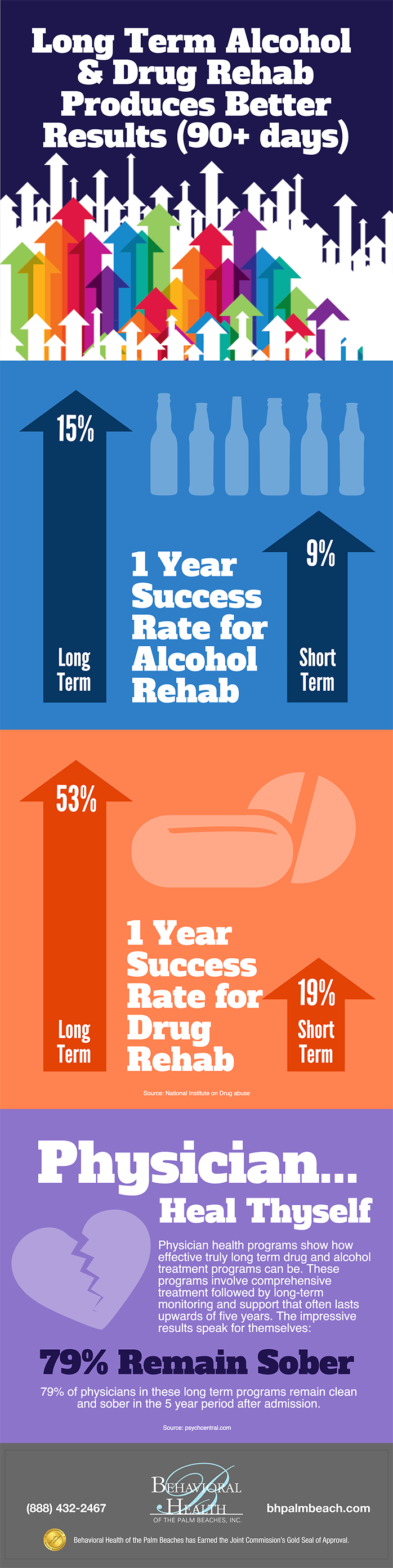
Although regression is rather typical among addicts, that is not to say that relapse is completely appropriate or that addiction can not be dealt with. Relapse can be short-lived and in numerous cases, it can be avoided. Furthermore, according to the numbers, drug treatment assists. A study published in Dependency Journal found that addicts who became sober by themselves had to do with 20% most likely to relapse than those who had reached sobriety with assistance from a drug rehab centre.
Why does drug rehab work? There are numerous elements that go into a quality drug rehabilitation program, however a few of the most important tools provided in drug rehabilitation are: An understanding of your own personal addiction. A medical diagnosis and exploration of the psychological conditions that underlie your addiction. Insight into the reasons for dependency and the private triggers that can set it off.
Most of these concepts require evaluation and counseling by licensed doctors, psychiatrists, and counselors. Most of the times, these are not tools that you will find easy to explore and develop by yourself. how much is drug rehab without insurance. Before entering into the particulars of drug rehabilitation, let's talk about the illicit substances that cause dependency and how they deal with the brain and body.
The smart Trick of How To Anonymously Tell Someone About Drug Rehab Centers That Nobody is Discussing
Regrettably, numerous such addictions occurred by accident after physicians recommended prescription opioids for pain following a surgical treatment or terrible injury. Although prescription pain relievers are ruled out illicit drugs unless they are mistreated, they can be every bit as addicting. What begins as a daily dose for pain can quickly lead to addiction.
Therefore the opioid crisis began and continues to afflict three million individuals or more in the United States alone. All opioids have a comparable impact on the brain, regardless of whether they are prescription pills or heroin. The drugs stimulate a profusion of the neurotransmitter dopamine into the brain, a "happy chemical" that triggers an extreme and temporary euphoria or high.
Stimulants consist of drugs called "uppers", such as cocaine, meth, euphoria, and prescription research study aids like Ritalin and Adderall. These also promote the release of dopamine, as well as norepinephrine and serotonin, two neurotransmitters that act to energize the nerve system. Lots of people say they take stimulants for the best factors, in an attempt to increase work productivity or study well for school.
No matter what reason users take them for, stimulants are addicting and one of the most widespread reasons for teen drug rehab. Youths and teens are specifically vulnerable to the shallow and misleading advantages of taking stimulants. Although less prevalent today than other classes of drugs, hallucinogens still provide a threat of addiction and physical or psychological damage.
An Unbiased View of Why Is America Spending More Money On Drug Rehab Than On Veterans Affairs
In reality, using hallucinogens like LSD even a few times can permanently alter neurons and message processing in the brain. Some hallucinogens, like PCP, can be more addicting than others, but these drugs threaten even in casual use because of the drastic changes they inflict on character and habits (how long is inpatient drug rehab).
Obviously, the compounds named above are not the only drugs that can develop hazardous dependences. Here are a few others to stay familiar with: Nicotine (cigarettes and tobacco) Marijuana (cannabis or weed) Alcohol Inhalants Dependency takes place since of how drugs affect the fragile messaging system in the brain. Your sensations and feelings are controlled by tiny chemicals called neurotransmitters that work as messengers from one neuron to another.
Our brains are made to look for out https://www.transformationstreatment.center/resources/addiction-articles/how-does-alcohol-affect-the-nervous-system/ activities that cause pleasure because, in a natural environment, pleasure-causing activities like consuming and sex are helpful to human survival. When it comes to drugs however, the extreme, unnatural pleasure triggers a strong, unnatural craving to repeat using drugs, commencing the addiction cycle.
The brain knows this isn't right, so it looks for to cancel the circulation of pleased chemicals by reducing dopamine paths and receptors. how to open a drug rehab center. Now, the drugs are not causing the exact same level of high, so the user takes larger and larger doses to attain the same bliss as previously. This is tolerance, the 2nd stage in the dependency cycle.
7 Simple Techniques For What Happens If One Is Admitted Into A State Funded Drug Rehab
At this moment, the brain has rewired itself into a "new normal" and no longer remembers how to function without a stable inflow of illegal substances. This is the last of addiction; it is called physical dependency. Now, when the user tries to stop, the unexpected lack of happy chemicals in mix with a surplus of the opposing, stabilizing neurotransmitters lead to utter mayhem - a variety of agonizing and unbearable side impacts called withdrawal signs.
Dependency affects far more than the brain. Substance abuse affects almost every system of the body and will ruin your physical health with time. Even with short term use, the impacts of substance abuse are palpable: Extreme wakefulness or drowsiness Modifications in heart rate and blood pressure Increased danger of cardiac arrest or stroke Panic attacks Boost of hazardous behaviors and sexual practices Damaging modifications in cravings Overdose and death The longer the substance abuse goes on, the more damage it will do to major organ systems.
When your body has ended up being physically based on illegal compounds, quitting becomes an incredibly hard and dragged out procedure. Detox is the very first step and is considered by many to be the most tough part of healing. Effectively completing the drug withdrawal procedure will hurt, difficult, and undesirable; you need to make the decision to stop and really devote to sobriety in order for it to work.